
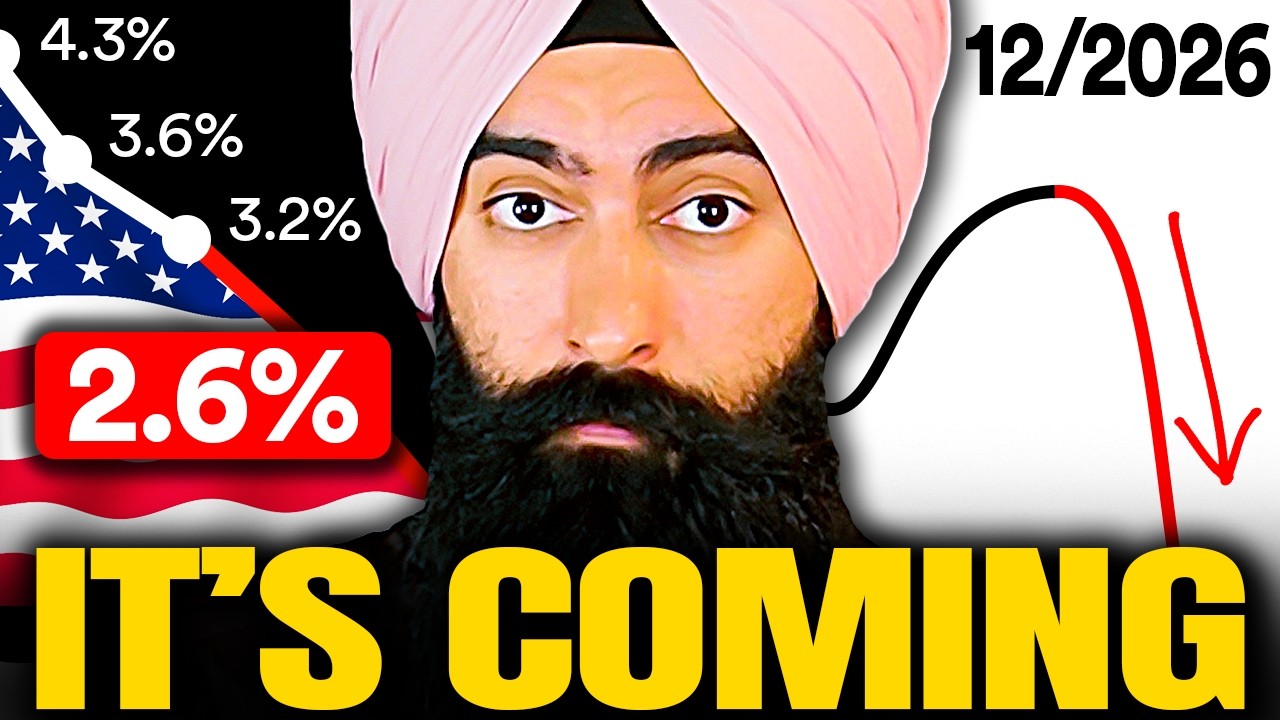
This Is Why The New Fed Is Worried About A 2026 Recession (It's Not What You Think)
Flashcards, Quiz, Mind Map, Micro-Podcast, Notes & YouTube Subscriptions are Studio features.
$4.99/mo · cancel any time
Generating flashcards…
Flashcards aren't available for this video right now. This can happen with very long or non-English videos.
Tap to reveal answer
Test your understanding of this video.
Generating quiz…
Quiz isn't available for this video right now. Try a shorter video or retry in a moment.
Building mind map…
Mind map isn't available for this video right now. Try a shorter video or retry in a moment.
Overview
This video from Minority Mindset explores why the Federal Reserve, specifically the 'new Fed,' is concerned about a potential recession in 2026, moving beyond typical immediate economic indicators. The content is aimed at individuals interested in understanding complex economic shifts and making informed financial decisions. The main argument posits that the Fed's worry stems not from current inflation or interest rate hikes, but from the long-term structural changes in the economy driven by demographics and the increasing cost of servicing debt. The most important insight is that the confluence of an aging population and an overwhelming national debt creates a unique economic challenge that current monetary policy might not adequately address, potentially leading to stagnation or recession. This matters because understanding these underlying forces is crucial for navigating future economic uncertainties and protecting personal wealth.
Key Takeaways
- → The Federal Reserve's current concern about a 2026 recession is not primarily driven by immediate inflation data or recent interest rate hikes, but rather by deeper, long-term structural economic challenges. This shifts the focus from short-term policy impacts to generational economic trends. [0:00]
- → A significant factor contributing to the Fed's worry is the aging population in developed countries, particularly in the United States. As more people retire, there's a reduction in the labor force and an increase in demand for social security and healthcare, straining government budgets. [1:30]
- → The massive and growing national debt is another critical concern for the 'new Fed.' As the debt increases, a larger portion of government revenue must be allocated to interest payments, leaving less for essential services or investments that stimulate growth. [3:45]
- → The intersection of an aging demographic and rising debt creates a 'double whammy' effect on the economy. This means a shrinking workforce needs to support an increasing number of retirees while the government has less fiscal flexibility due to debt obligations. [6:00]
- → The video suggests that the traditional tools used by the Fed, such as adjusting interest rates, may become less effective in managing an economy burdened by these long-term structural issues. The focus is on the capacity for growth being inherently limited. [9:00]
- → The current economic environment might be characterized by 'secular stagnation,' a prolonged period of low economic growth, low inflation, and low interest rates, which the Fed's aging population and debt concerns could exacerbate. [12:00]
- → Understanding these demographic and debt-related pressures is crucial for investors to anticipate future economic conditions and adjust their investment strategies accordingly. The typical boom-and-bust cycles might be replaced by a more persistent, low-growth environment.
- → The video implies that future economic policy might need to be more innovative and consider fiscal adjustments alongside monetary policy to address the challenges posed by aging demographics and debt, which could impact tax policies and government spending priorities.
Timestamps
My Notes
Save personal notes for any video. Studio feature.
Turn this summary into audio you can listen to anywhere: commute, gym, or eyes-free.
Upgrade to Studio →Share this summary
Flashcards
What is the main…
Quiz
8 questions · Med…
Podcast
~2 min audio…
Unlock Studio tools for every summary
Flashcards, Quiz, Mind Map, Podcast, Notes | $4.99/mo, cancel anytime.
Try Studio →🤖 This summary was generated by AI and may contain inaccuracies. Always verify important information from the original video.
Writing your post…
We couldn't generate your post right now.
People also summarized
Browse Personal Development →
YouTube Video
This video discusses Robert Kiyosaki's dire prediction that a war in the Strait of Hormuz could lead to the co…
YouTube Video
This video features a conversation between Peter H. Diamandis and Elon Musk, delving into the future of artifi…

YouTube Video
This video clearly distinguishes between the fields of sociology and psychology, explaining their unique appro…
YouTube Video
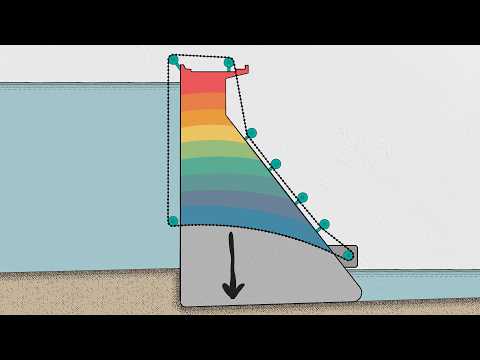
This video from Practical Engineering explores the fascinating phenomenon of alkali-silica reaction (ASR) in c…

YouTube Video
This Academy of Ideas video delves into the psychological phenomenon of self-handicapping, explaining why indi…

YouTube Video
This SciShow video explores the fascinating world of orangutan communication, challenging the long-held belief…
LinkedIn doesn't support pre-filled text. Copy it, then paste when LinkedIn opens.
Facebook doesn't support pre-filled text. Copy it, then paste when Facebook opens.