
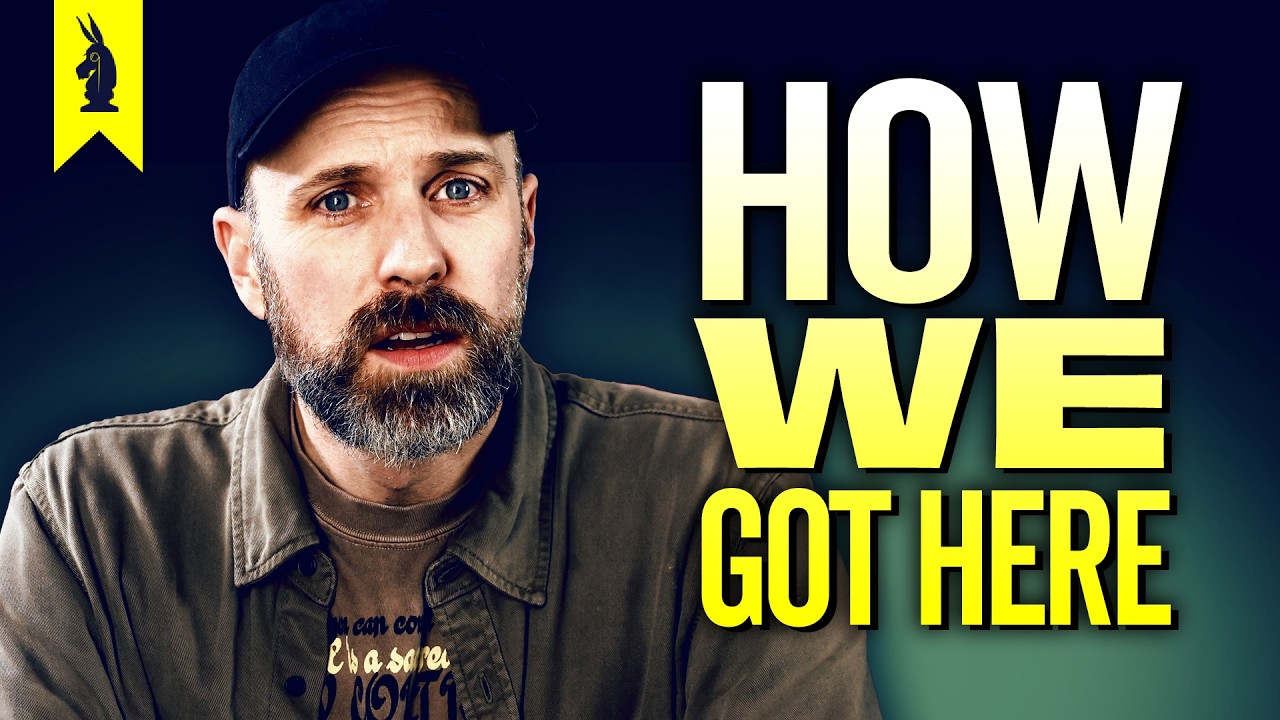
Democracy Is Collapsing: This 1971 Playbook Started It All
Flashcards, Quiz, Mind Map, Micro-Podcast, Notes & YouTube Subscriptions are Studio features.
$4.99/mo · cancel any time
Generating flashcards…
Flashcards aren't available for this video right now. This can happen with very long or non-English videos.
Tap to reveal answer
Test your understanding of this video.
Generating quiz…
Quiz isn't available for this video right now. Try a shorter video or retry in a moment.
Building mind map…
Mind map isn't available for this video right now. Try a shorter video or retry in a moment.
Overview
This Wisecrack video delves into the profound impact of the 1971 Powell Memo, arguing it laid the groundwork for the current oligarchic system that is eroding American democracy. It is for viewers interested in understanding the historical roots of modern political and economic structures and how corporate influence has reshaped society. The video's main argument is that this seemingly obscure memo was a deliberate playbook for the business class to regain power and reshape public policy in their favor. The most important insight is how a single, strategic document can have such a far-reaching and lasting effect on democratic institutions. This matters because understanding this history is crucial for recognizing and potentially counteracting the forces that undermine democratic ideals today.
Key Takeaways
- → The Powell Memo, written in 1971 by Lewis Powell Jr., is presented as a foundational document that initiated the corporate takeover of American democracy. It wasn't an accidental occurrence but a calculated strategy articulated in a memo to the U.S. Chamber of Commerce. [0:00]
- → The memo outlined a blueprint for the business community to actively engage in shaping public discourse and policy. It advocated for a more aggressive and unified approach to defend free enterprise and counter perceived anti-business sentiment. [1:30]
- → A key recommendation of the memo was for businesses to invest in think tanks, academic institutions, and media to promote their agenda. This strategy aimed to influence public opinion and policy from multiple angles, creating a favorable narrative for corporate interests. [3:45]
- → The memo specifically targeted the need to influence the legal system, advocating for corporate leaders to take more active roles in legal scholarship and judicial appointments. This was seen as a crucial avenue to protect corporate power from regulation. [6:00]
- → The video suggests that the Powell Memo's strategies have been remarkably successful, leading to a significant increase in corporate influence in politics and a weakening of democratic accountability. The current state of American politics is presented as a direct consequence of these long-term efforts. [9:00]
- → The memo's impact extends beyond policy; it also influenced the cultural narrative around business and capitalism. By framing criticism of business as an attack on freedom, it aimed to stifle dissent and create a more supportive public environment. [12:00]
- → Understanding the Powell Memo is presented as essential for comprehending the current political landscape, where corporate lobbying and financial influence are dominant forces. It provides a historical context for the perceived decline of democratic processes.
- → The video implies that this 'playbook' is not unique to the US and that similar strategies can be observed in other countries where corporate power seeks to influence governance.
- → The memo's call for coordinated action among business leaders highlighted a strategic shift from individual corporate interests to a collective effort to secure class power.
- → The critique suggests that the memo's success has led to an oligarchy, where a small, wealthy elite holds disproportionate power, and the voices of ordinary citizens are marginalized.
- → The video encourages viewers to critically examine the sources of information and understand the underlying motivations behind policy proposals, especially those that benefit corporate entities.
Timestamps
My Notes
Save personal notes for any video. Studio feature.
Turn this summary into audio you can listen to anywhere: commute, gym, or eyes-free.
Upgrade to Studio →Share this summary
Flashcards
What is the main…
Quiz
8 questions · Med…
Podcast
~2 min audio…
Unlock Studio tools for every summary
Flashcards, Quiz, Mind Map, Podcast, Notes | $4.99/mo, cancel anytime.
Try Studio →🤖 This summary was generated by AI and may contain inaccuracies. Always verify important information from the original video.
Writing your post…
We couldn't generate your post right now.
People also summarized

YouTube Video
This video thoroughly explores the evolving landscape of software engineering in the age of Artificial Intelli…

YouTube Video
This episode of "Lifespan with Dr. David Sinclair" delves into the critical concept of "adversity mimetics" – …
YouTube Video
This video features an insightful interview with Yoshua Bengio, often hailed as one of the 'Godfathers of AI,'…
YouTube Video
This video features Nick Freitas reacting to and dissecting a powerful speech by Senator Marco Rubio at the Mu…

YouTube Video
This video features a crucial conversation between Dr. Mark Hyman and Harvard psychiatrist Dr. Christopher Pal…
YouTube Video
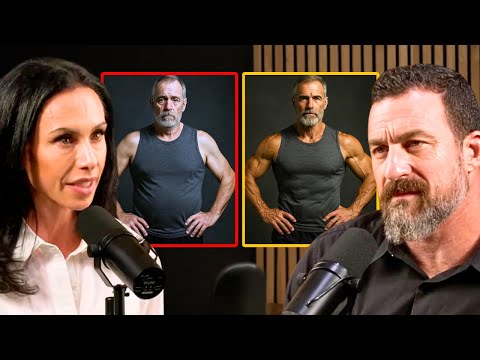
This video from Theory of Man addresses the alarming health crisis of inactivity in America, specifically targ…
LinkedIn doesn't support pre-filled text. Copy it, then paste when LinkedIn opens.
Facebook doesn't support pre-filled text. Copy it, then paste when Facebook opens.